Unveiled: The Legendary Roman Hairstyle For Men
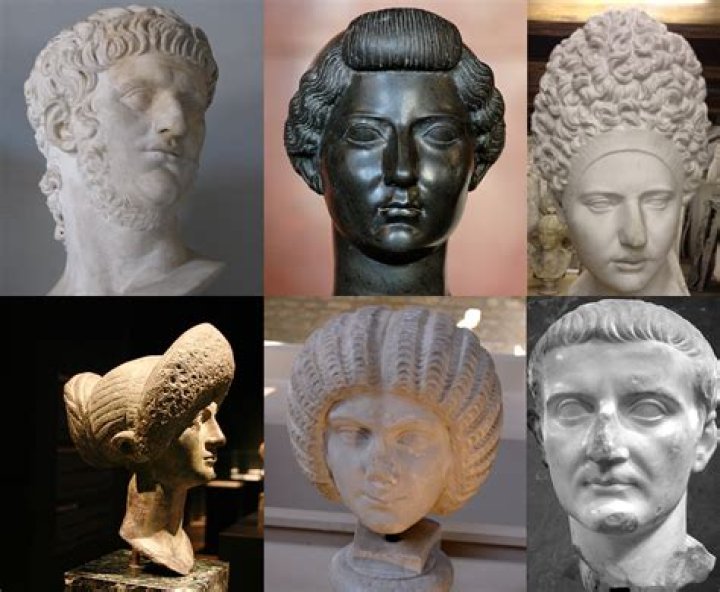
What defining aspects of "roman hairstyle men" showcase its historical influence and cultural significance?
Roman hairstyles for men were characterized by short, layered haircuts, often with bangs or a fringe. The most popular styles were the "Caesar cut," a short, blunt cut with bangs, and the "Augustus cut," a longer, layered style with a side-swept fringe. Roman men also often wore their hair curled or waved, and they used hair products such as oils and pomades to style their hair.
Roman hairstyles for men were influenced by a variety of factors, including the climate, the social class of the wearer, and the latest fashion trends. For example, shorter haircuts were more popular in the summer months, while longer, layered styles were more popular in the winter months. Wealthy Roman men were more likely to wear elaborate hairstyles, while poorer Roman men were more likely to wear simple, practical hairstyles.
Roman hairstyles for men have had a lasting influence on modern hairstyles. Many of the most popular hairstyles for men today, such as the Caesar cut and the side-swept fringe, are based on Roman hairstyles. Roman hairstyles for men are a testament to the creativity and artistry of the Roman people.
Roman Hairstyle Men
Some key aspects of roman hairstyle men include:
- Short, layered haircuts
- Bangs or a fringe
- Curled or waved hair
- Use of hair products
Historical Context
Roman hairstyles for men have a long and storied history. The earliest known Roman hairstyles date back to the 6th century BC, and they have evolved over time to reflect the changing fashions and trends of Roman society.
During the Roman Republic, men typically wore their hair short and simple. The most popular style was the "Caesar cut," a short, blunt cut with bangs. This style was named after Julius Caesar, who was known for his distinctive hairstyle.
During the Roman Empire, men's hairstyles became more elaborate. Wealthy Roman men often wore their hair long and curled, and they used hair products such as oils and pomades to style their hair. The most popular style during this period was the "Augustus cut," a longer, layered style with a side-swept fringe. This style was named after Augustus Caesar, the first emperor of Rome.
Roman hairstyles for men continued to evolve throughout the Roman Empire. In the 3rd century AD, men began to wear their hair shorter again. The most popular style during this period was the "Antonine cut," a short, layered style with a fringe. This style was named after Antoninus Pius, the Roman emperor who reigned from 138 to 161 AD.
Roman hairstyles for men had a significant influence on the development of hairstyles in other parts of Europe. Many of the hairstyles that are popular today are based on Roman hairstyles.
Cultural Significance
Roman hairstyles for men were more than just a fashion statement. They also had a cultural significance.
For example, the Caesar cut was seen as a symbol of power and authority. Julius Caesar was known for his distinctive hairstyle, and many Roman men adopted this style in order to emulate him.
The Augustus cut was seen as a symbol of wealth and status. Wealthy Roman men often wore this style to show off their wealth and power.
The Antonine cut was seen as a symbol of youth and vitality. Young Roman men often wore this style to show off their youthful good looks.
Roman hairstyles for men were a reflection of the Roman culture and society. They were a way for Roman men to express their individuality and to show their place in society.
FAQs about Roman Hairstyle Men
Here are some frequently asked questions about Roman hairstyle men:
Question 1: What were the most popular Roman hairstyles for men?
The most popular Roman hairstyles for men were the Caesar cut, the Augustus cut, and the Antonine cut. The Caesar cut was a short, blunt cut with bangs, the Augustus cut was a longer, layered style with a side-swept fringe, and the Antonine cut was a short, layered style with a fringe.
Question 2: What did Roman hairstyles for men symbolize?
Roman hairstyles for men had a variety of symbolic meanings. The Caesar cut was seen as a symbol of power and authority, the Augustus cut was seen as a symbol of wealth and status, and the Antonine cut was seen as a symbol of youth and vitality.
Summary
Roman hairstyles for men were a reflection of the Roman culture and society. They were a way for Roman men to express their individuality and to show their place in society.
Conclusion
Roman hairstyles for men were a complex and fascinating aspect of Roman culture. They evolved over time to reflect the changing fashions and trends of Roman society, and they had a variety of symbolic meanings. Roman hairstyles for men continue to influence hairstyles today, and they are a testament to the creativity and artistry of the Roman people.
The study of Roman hairstyles for men can provide us with valuable insights into Roman culture and society. It can also help us to appreciate the beauty and diversity of human creativity.
Matai Thompson: Renowned Mori Artist And Carver
The Ultimate Photo Lab In Tokyo: Your Destination For Stunning Photos
Unleash The Magic: Download Captivating Pony Videos
Ancient Roman hairstyles a short history (with pictures)
Ancient Roman Hairstyles For Men What is art