Unbelievable Fotron Camera: Your Ultimate Guide
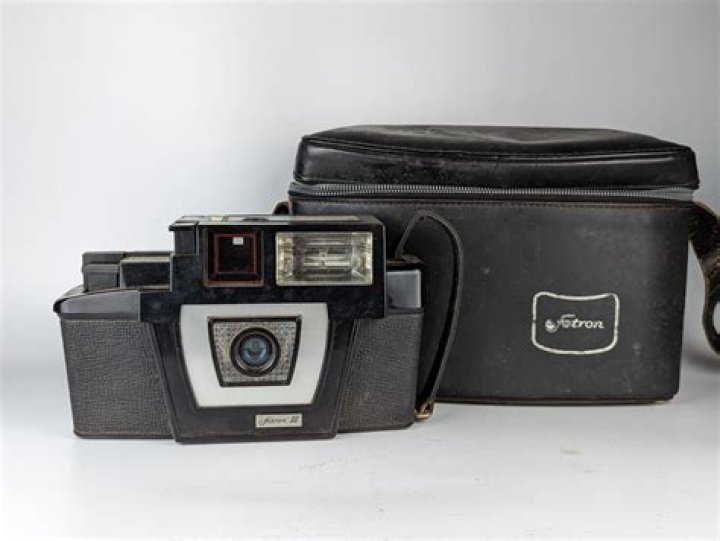
What is a fotron camera?
A fotron camera is a type of camera that uses a fotron sensor to capture images. Fotron sensors are made of a material that is sensitive to light, and when light hits the sensor, it creates an electrical signal. This signal is then processed by the camera's electronics to create an image.
Fotron cameras have a number of advantages over traditional cameras. First, they are more sensitive to light, which means that they can take better pictures in low-light conditions. Second, fotron cameras have a wider dynamic range, which means that they can capture more detail in both the highlights and shadows of a scene. Third, fotron cameras are more resistant to noise, which means that they produce cleaner images, even at high ISO settings.
Fotron cameras are used in a variety of applications, including photography, videography, and scientific imaging. They are particularly well-suited for low-light photography, such as astrophotography or night photography. Fotron cameras are also used in a variety of scientific applications, such as medical imaging and microscopy.
fotron camera
Key Aspects
- High sensitivity to light
- Wide dynamic range
- Low noise
{point}
- Photography
- Videography
- Scientific imaging
{point}
- Better low-light performance
- More detail in highlights and shadows
- Cleaner images at high ISO settings
FAQs about Fotron Cameras
This section provides answers to frequently asked questions about fotron cameras, addressing common concerns and misconceptions.
Question 1: What are the advantages of fotron cameras over traditional cameras?
Fotron cameras offer several advantages over traditional cameras, including higher sensitivity to light, wider dynamic range, and lower noise. These advantages make fotron cameras well-suited for low-light photography, astrophotography, and scientific imaging.
Question 2: What are some applications of fotron cameras?
Fotron cameras are used in a variety of applications, including photography, videography, and scientific imaging. They are particularly well-suited for low-light photography, such as astrophotography or night photography. Fotron cameras are also used in a variety of scientific applications, such as medical imaging and microscopy.
Summary of key takeaways: Fotron cameras offer unique advantages over traditional cameras, making them ideal for low-light photography and scientific imaging applications.
Conclusion
Fotron cameras offer a number of advantages over traditional cameras, including higher sensitivity to light, wider dynamic range, and lower noise. These advantages make fotron cameras well-suited for low-light photography, astrophotography, and scientific imaging.
As the technology continues to develop, fotron cameras are likely to become even more popular in a variety of applications. They have the potential to revolutionize the way we capture and process images, and they could play a major role in the future of photography and scientific imaging.
Iggy At Iwo Jima: A Hero's Story
Bonnie Rudolph: The Renowned Motivational Speaker
In Memory Of Keith Klinedinst: A Cherished Life Remembered
1960's Fotron camera. The Fotron was a camera manufactured in Glendale
Fotron Camera