Ultimate Guide To New Hampshire Cemeteries: Explore Historic Burial Grounds
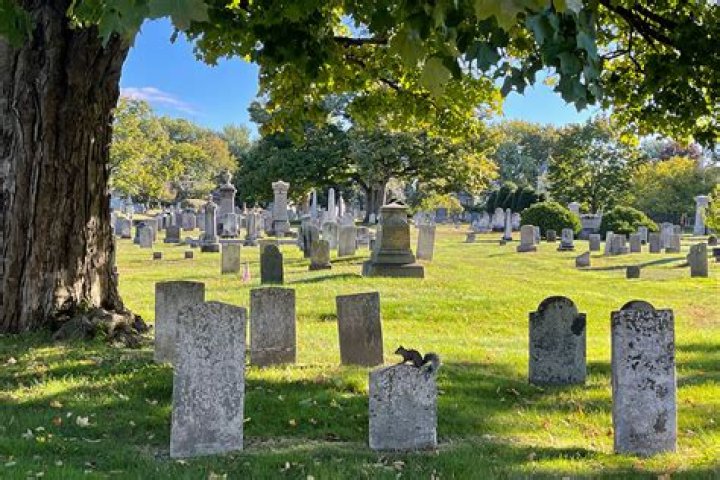
What are New Hampshire Cemeteries?
New Hampshire cemeteries are burial grounds that have been established in the state of New Hampshire, USA. They serve as final resting places for individuals who have passed away and provide a place for families and loved ones to remember and honor their departed.
Cemeteries in New Hampshire have a rich history, dating back to the early colonial period. The oldest known cemetery in the state is the Old Burying Ground in Portsmouth, which was established in 1671. Over the centuries, numerous other cemeteries have been established throughout the state, reflecting the growth and diversity of New Hampshire's population.
Today, New Hampshire cemeteries are an important part of the state's cultural and historical heritage. They provide a glimpse into the lives of those who have come before us and serve as a reminder of the mortality of all. Additionally, cemeteries often offer beautiful and serene settings for contemplation and reflection.
New Hampshire Cemeteries
There are several key aspects to consider when discussing New Hampshire cemeteries:
- History and Evolution: New Hampshire cemeteries have a rich history, dating back to the early colonial period. Over the centuries, they have evolved in terms of their design, layout, and burial practices.
- Cultural Significance: Cemeteries play an important role in the cultural and religious life of New Hampshire communities. They are often associated with churches and other religious institutions and serve as a place for families and loved ones to gather and remember their departed.
- Genealogical Research: Cemeteries are a valuable resource for genealogical research. Grave markers and other cemetery records can provide important information about individuals who have passed away, including their birth and death dates, family relationships, and occupations.
- Historical Preservation: Cemeteries are often considered to be historical landmarks and are protected by state and local laws. They provide a glimpse into the past and can help us to understand the history and culture of New Hampshire.
Cemeteries and Genealogy
Cemeteries are a treasure trove of information for genealogists. Grave markers and other cemetery records can provide valuable clues about an individual's life and family history. For example, a grave marker may indicate the individual's name, birth and death dates, and place of birth. It may also include information about the individual's spouse, children, and parents.
Cemetery records can also provide insights into the social and economic history of a community. For example, the presence of a large number of unmarked graves may indicate that the community was once home to a. Similarly, the presence of elaboratemay indicate that the community was once home to a wealthy population.
Cemeteries and Historical Preservation
Cemeteries are often considered to be historical landmarks and are protected by state and local laws. This is because they provide a valuable glimpse into the past and can help us to understand the history and culture of New Hampshire. For example, the Old Burying Ground in Portsmouth contains the graves of many of the city's founders and early residents. This cemetery is a reminder of the city's rich history and is a popular destination for tourists and historians alike.
Frequently Asked Questions about New Hampshire Cemeteries
This section provides answers to some of the most frequently asked questions about New Hampshire cemeteries.
Question 1: What are the regulations for visiting cemeteries in New Hampshire?
The regulations for visiting cemeteries in New Hampshire vary depending on the cemetery. However, most cemeteries have general rules that prohibit littering, vandalism, and disruptive behavior. Some cemeteries may also have specific rules regarding hours of operation and the use of photography.
Question 2: How can I find information about individuals buried in New Hampshire cemeteries?
There are a few ways to find information about individuals buried in New Hampshire cemeteries. One way is to visit the cemetery in person and look for grave markers. Another way is to search online databases, such as Find a Grave and BillionGraves. Finally, you can also contact the New Hampshire Division of Vital Records Administration to request a death certificate.
Question 3: What are the rules for burying cremated remains in New Hampshire cemeteries?
The rules for burying cremated remains in New Hampshire cemeteries vary depending on the cemetery. However, most cemeteries allow cremated remains to be buried in a grave, niche, or columbarium. Some cemeteries may also have specific requirements for the type of urn or container used to hold the cremated remains.
Question 4: How can I donate to the maintenance of New Hampshire cemeteries?
There are a few ways to donate to the maintenance of New Hampshire cemeteries. One way is to contact the cemetery directly and ask about their donation procedures. Another way is to donate to a non-profit organization that supports cemetery preservation. Finally, you can also volunteer your time to help with cemetery maintenance.
Question 5: What are the laws regarding the desecration of cemeteries in New Hampshire?
The desecration of cemeteries is a crime in New Hampshire. This includes any act that damages or destroys grave markers, monuments, or other cemetery property. The penalties for cemetery desecration can vary depending on the severity of the crime.
Summary: New Hampshire cemeteries are an important part of the state's history and culture. They are a place for families and loved ones to remember and honor their departed. By following the rules and regulations for visiting and caring for cemeteries, we can help to preserve these important places for future generations.
Conclusion
New Hampshire cemeteries are a rich and diverse part of the state's history and culture. They provide a glimpse into the lives of those who have come before us and serve as a reminder of the mortality of all. Additionally, cemeteries often offer beautiful and serene settings for contemplation and reflection.
It is important to remember that cemeteries are not just places of the dead, but also places of the living. They are places where families and loved ones can come to remember and honor their departed. By following the rules and regulations for visiting and caring for cemeteries, we can help to preserve these important places for future generations.
Debbie Kohl: Renowned Fitness Expert And Motivational Leader
Obituary Of Michael Bushman: A Beloved Legacy
Remembering Justin Pearson: A Legacy Of Passion And Authenticity
Cemeteries State Historic Sites Town of Exeter New Hampshire
Pin on Places across the U.S.