The Ultimate Guide To Daylight Saving Time For Working Professionals
If You Work During Daylight Savings
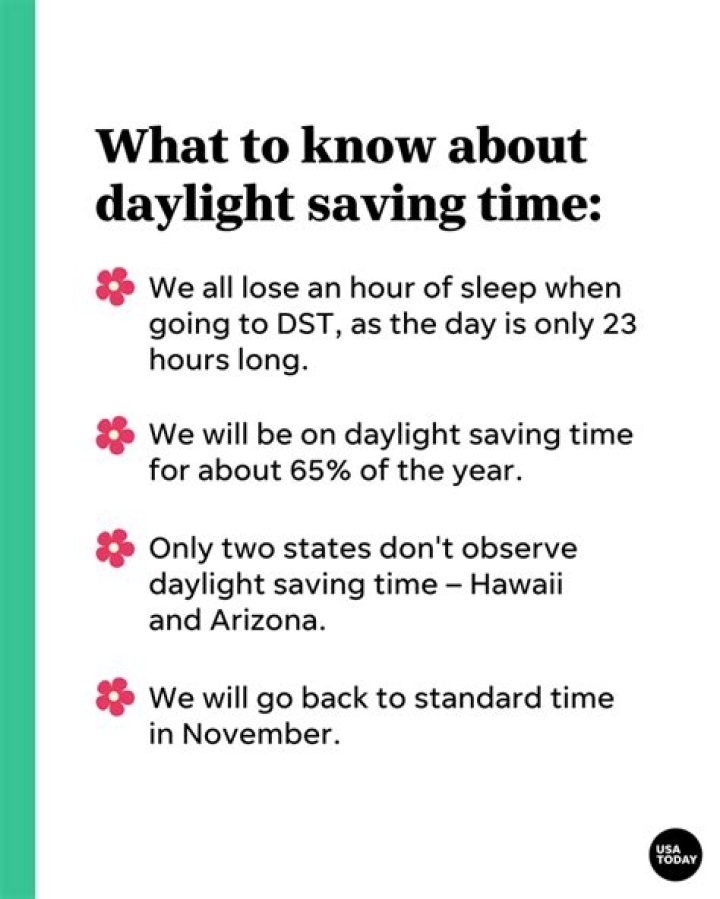
Daylight saving time (DST) is the practice of advancing clocks during warmer months so that evenings have more daylight and mornings have less. Daylight saving time is observed in many countries around the world, typically from March to November.
There are a number of potential benefits to daylight saving time, including reduced energy consumption, increased opportunities for outdoor recreation, and a decrease in crime. However, there are also some potential drawbacks, such as disrupted sleep patterns and increased traffic accidents.
If you work during daylight saving time, it is important to be aware of the potential benefits and drawbacks so that you can make the best decision for yourself.
If You Work During Daylight Savings
Key Points
Benefits
- Reduced energy consumption- Increased opportunities for outdoor recreation- Decreased crimeDrawbacks
- Disrupted sleep patterns- Increased traffic accidentsTips for Adjusting to Daylight Saving Time
- Go to bed and wake up at the same time each day, even on weekends.- Get plenty of sunlight during the day.- Avoid caffeine and alcohol before bed.- Create a relaxing bedtime routine.Conclusion
Daylight saving time can have a significant impact on your sleep patterns and overall health. By following these tips, you can help to minimize the negative effects of daylight saving time and make the most of the extra daylight.FAQs about Working During Daylight Savings
Daylight saving time (DST) can have a significant impact on your sleep patterns and overall health. Here are some frequently asked questions about working during daylight saving time:
Question 1: How can I adjust to the change in sleep schedule?
It is important to go to bed and wake up at the same time each day, even on weekends. This will help your body to adjust to the new sleep schedule. You should also get plenty of sunlight during the day and avoid caffeine and alcohol before bed.
Question 2: What are the benefits of working during daylight saving time?
There are a number of potential benefits to working during daylight saving time, including reduced energy consumption, increased opportunities for outdoor recreation, and a decrease in crime.
Summary of key takeaways or final thought
Conclusion
Daylight saving time (DST) can have a significant impact on our sleep patterns and overall health. By understanding the potential benefits and drawbacks of DST, we can make the best decision for ourselves about whether or not to work during DST.
If you do work during DST, there are a number of things you can do to minimize the negative effects, such as going to bed and waking up at the same time each day, getting plenty of sunlight during the day, and avoiding caffeine and alcohol before bed.
Discover The Explosive Flavors Of Doritos Dinamita Sticks
Lizzo's Amazing Weight Loss Journey In 2023
Who Is Tom Scanlon On 911 Lone Star? Actor, Role, And More
Senate passes daylight savings bill, ending time change Common Sense
16 Fall Daylight Savings Memes That You'll Fall In Love With