The Life And Legacy Of Ouattara Ibrahim, Influential Ivorian Leader
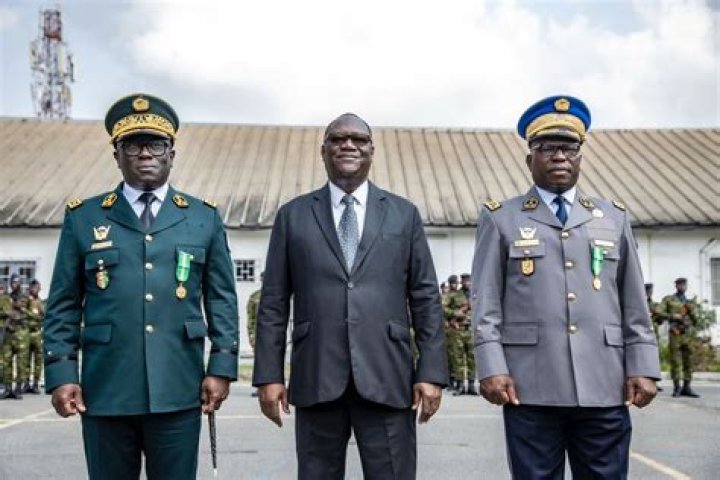
Who is Alassane Ouattara?
Alassane Ouattara is an Ivorian politician who has been President of Ivory Coast since 2010. He is the first president of Ivory Coast to be democratically elected and to serve two terms in office.
Ouattara was born in Dimbokro, Ivory Coast, in 1942. He studied economics in the United States and France, and worked for the International Monetary Fund (IMF) for many years. In 1990, he returned to Ivory Coast and served as Prime Minister under President Flix Houphout-Boigny. After Houphout-Boigny's death in 1993, Ouattara ran for president but was defeated by Henri Konan Bdi.
In 2010, Ouattara again ran for president and won in a runoff election. However, his victory was not recognized by incumbent president Laurent Gbagbo. A civil war ensued, which lasted until Gbagbo was arrested in 2011. Ouattara was then sworn in as president.
Since becoming president, Ouattara has overseen a period of economic growth and stability in Ivory Coast. He has also implemented a number of reforms, including a new constitution and a truth and reconciliation commission.
ouattara ibrahimIntroduction
Alassane Ouattara is an Ivorian politician who has been President of Ivory Coast since 2010. He is the first president of Ivory Coast to be democratically elected and to serve two terms in office. Ouattara's presidency has been marked by economic growth and stability, as well as a number of reforms.
Key Aspects
- Economic growth: Under Ouattara's leadership, Ivory Coast has experienced a period of strong economic growth. The country's GDP has grown by an average of 8% per year since 2011.
- Stability: Ouattara has also overseen a period of stability in Ivory Coast. The country has not experienced any major political unrest since 2011.
- Reforms: Ouattara has implemented a number of reforms since becoming president, including a new constitution and a truth and reconciliation commission.
{point} and ouattara ibrahim
Ouattara's presidency has been marked by a number of key points, including economic growth, stability, and reforms. These points are all interconnected and have contributed to the progress that Ivory Coast has made under Ouattara's leadership.
For example, economic growth has led to increased stability in Ivory Coast. This is because a growing economy provides more opportunities for people to improve their lives and reduces the likelihood of conflict. Stability, in turn, has allowed Ouattara to implement reforms that have further strengthened the economy and improved the lives of Ivorians.
The following table provides a more detailed look at the key points of Ouattara's presidency:
| Key Point | Description |
|---|---|
| Economic growth | Ivory Coast's GDP has grown by an average of 8% per year since 2011. |
| Stability | Ivory Coast has not experienced any major political unrest since 2011. |
| Reforms | Ouattara has implemented a number of reforms since becoming president, including a new constitution and a truth and reconciliation commission. |
FAQs on Alassane Ouattara
This section provides answers to frequently asked questions about Alassane Ouattara, the President of Ivory Coast since 2010.
Question 1: What are Alassane Ouattara's key achievements as President of Ivory Coast?
Alassane Ouattara's key achievements as President of Ivory Coast include overseeing a period of economic growth and stability, as well as implementing a number of reforms, including a new constitution and a truth and reconciliation commission.
Question 2: What are the main challenges facing Alassane Ouattara's presidency?
The main challenges facing Alassane Ouattara's presidency include addressing the legacy of the Ivorian civil war, promoting economic development, and improving governance.
Summary of key takeaways:
- Alassane Ouattara has overseen a period of economic growth and stability in Ivory Coast.
- Ouattara has implemented a number of reforms, including a new constitution and a truth and reconciliation commission.
- The main challenges facing Ouattara's presidency include addressing the legacy of the Ivorian civil war, promoting economic development, and improving governance.
Conclusion
Alassane Ouattara's presidency has been marked by a number of key points, including economic growth, stability, and reforms. These points are all interconnected and have contributed to the progress that Ivory Coast has made under Ouattara's leadership.
Looking to the future, Ouattara faces a number of challenges, including addressing the legacy of the Ivorian civil war, promoting economic development, and improving governance. However, given his track record of success, there is reason to be optimistic about Ivory Coast's future under Ouattara's leadership.
3 Easy Steps To Create An Outstanding Jack Outline
Stunning Luke Hemmings Photos: Capture Every Angle
Miniature Horse Memes: Hilarious And Adorable!
Evacué d'urgence en France, l'état de santé de Téné Ibrahim Ouattara
UP’s Ibrahim Ouattara goes from ban to breakout