The Beauty Of Peranakan Architecture: A Cultural Fusion
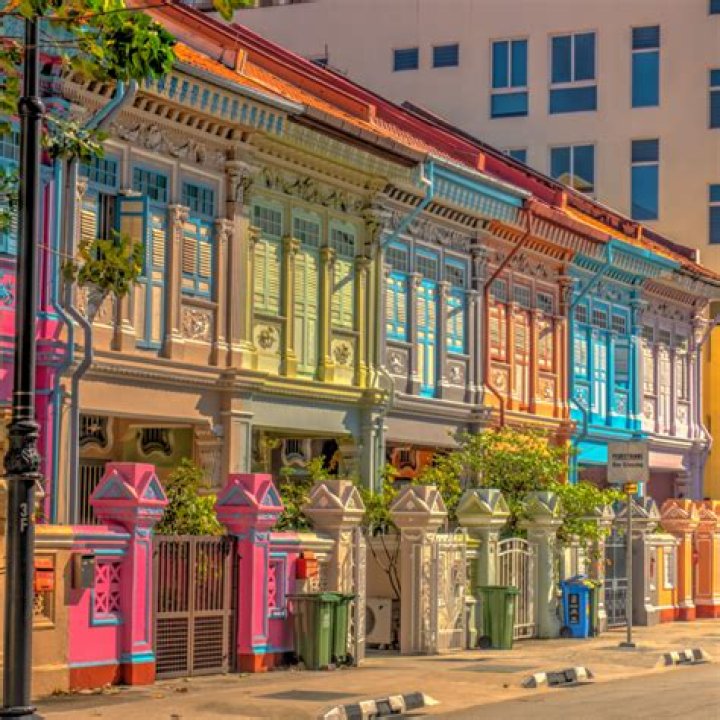
Peranakan architecture, a fascinating blend of Chinese and Malay architectural styles, is a testament to the rich cultural heritage of Southeast Asia.
It is caractris by its intricate facades, vibrant colors, and elaborate ornamentation, reflecting the unique fusion of cultures that shaped the region. Peranakan architecture is not just a style; it is a living testament to the region's diverse history, cultural exchange, and architectural ingenuity.
The Peranakan people, descendants of Chinese immigrants who settled in Southeast Asia centuries ago and intermarried with local Malays, played a significant role in the development of this architectural style. Peranakan architecture incorporates elements from both Chinese and Malay traditions, creating a distinctive style that is both visually appealing and culturally significant.
Peranakan architecture is not just about aesthetics; it is also a reflection of the Peranakan people's social status and cultural identity. The grand and opulent homes of wealthy Peranakans showcased their success and in society, while the more modest homes of ordinary Peranakans reflected their everyday lives and cultural practices.
Today, Peranakan architecture is recognized for its historical and cultural value. Many Peranakan houses and buildings have been restored and preserved, serving as cultural landmarks and tourist attractions. The unique blend of Chinese and Malay architectural elements makes Peranakan architecture a valuable part of Southeast Asia's cultural heritage.
Peranakan Architecture
Peranakan architecture is distinguished by several key aspects that contribute to its unique character:
Facades
Peranakan facades are often characterized by their intricate and colorful ornamentation. Decorative tiles, plasterwork, and wood carvings depicting scenes from Chinese mythology, nature, and everyday life adorn the facades, creating a visually stunning effect. The vibrant colors used, such as red, green, and yellow, further enhance the aesthetic appeal of the buildings.
Roofs
Peranakan roofs are typically steeply pitched and tiled, with elaborate bargeboards and finials. The roofs are often adorned with intricate ceramic or metal decorations, adding to the overall grandeur of the buildings.
Interiors
Peranakan interiors are known for their opulent and eclectic style. The rooms are often spacious and well-lit, with high ceilings and large windows. The interiors feature a mix of Chinese and Malay decorative elements, including furniture, textiles, and artwork. Peranakan artisans often used intricate carvings, colorful tiles, and elaborate moldings to create visually stunning interiors.
Cultural Significance
Peranakan architecture holds immense cultural significance as it reflects the unique heritage and identity of the Peranakan people. The fusion of Chinese and Malay architectural elements symbolizes the cultural exchange and assimilation that occurred during the Peranakan era. The buildings serve as a reminder of the rich cultural diversity that has shaped Southeast Asia's history and continue to be a source of pride for the Peranakan community.
Frequently Asked Questions (FAQs) on Peranakan Architecture
This section addresses some commonly asked questions and misconceptions about Peranakan architecture:
Question 1: What is the origin of Peranakan architecture?
Peranakan architecture emerged as a unique blend of Chinese and Malay architectural styles during the 15th and 16th centuries. It developed in the Straits Settlements of Penang, Malacca, and Singapore, where Chinese immigrants intermarried with local Malays, giving rise to the Peranakan culture.
Question 2: What are the key characteristics of Peranakan architecture?
Peranakan architecture is characterized by its vibrant colors, intricate ornamentation, and fusion of Chinese and Malay architectural elements. Peranakan buildings often feature colorful facades adorned with decorative tiles, plasterwork, and wood carvings depicting scenes from Chinese mythology and everyday life.
Summary: Peranakan architecture is a testament to the rich cultural heritage of Southeast Asia. It reflects the unique blend of Chinese and Malay cultures and serves as a valuable part of the region's architectural and cultural landscape.
Conclusion
Peranakan architecture stands as a testament to the rich cultural heritage of Southeast Asia, a unique blend of Chinese and Malay influences that has shaped the region's architectural landscape. Its vibrant colors, intricate ornamentation, and fusion of architectural elements have created a distinctive style that continues to captivate and inspire.
The preservation and restoration of Peranakan buildings are not only crucial for safeguarding this architectural legacy but also for fostering a deeper understanding of the region's diverse cultural heritage. Peranakan architecture serves as a reminder of the cultural exchange and assimilation that have occurred throughout history, showcasing the beauty that can arise from the blending of different cultures.
As we continue to explore and appreciate Peranakan architecture, let us also recognize its significance as a valuable part of our shared cultural heritage. By preserving and celebrating these architectural treasures, we not only honor the past but also ensure that future generations can continue to marvel at the beauty and craftsmanship of Peranakan architecture.
Ignite Your Spiritual Flame: A Guide To Understanding Ner Neshama
Master Your December Calendar Drawings: Expert Tips And Techniques
Captivating Views: Foggy Sailboats Adrift In The Mist
Peranakan Architecture Photograph by Edward Tian Fine Art America
What is Peranakan Culture Wild 'n' Free Diary