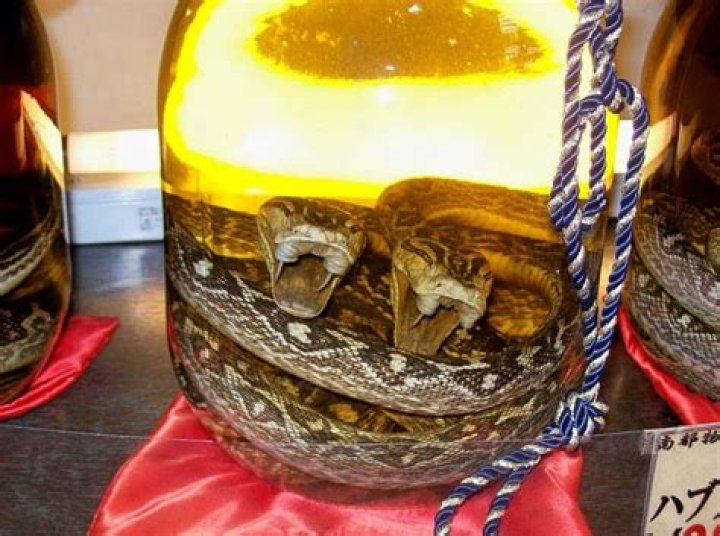
Mystery Revealed: Do Snakes Possess Two Heads?
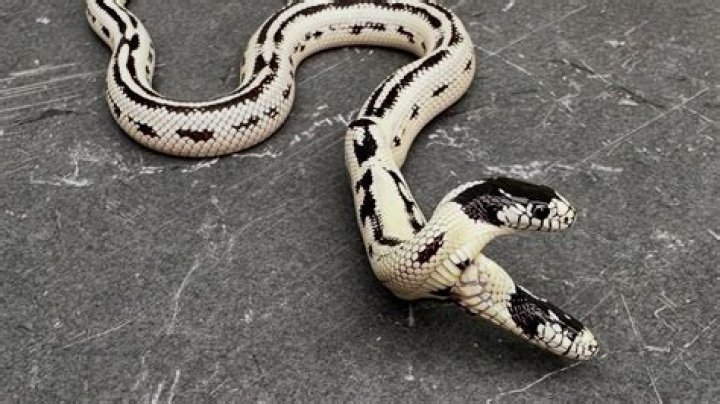
Do two headed snakes exist?
A two-headed snake is a snake with two heads. They are extremely rare, but they do exist. Most two-headed snakes have two fully formed heads, each with its own brain and set of sense organs. However, some two-headed snakes have only one brain and one set of sense organs, with two heads that are incompletely formed. Two-headed snakes are typically smaller than average snakes, and they have a shorter lifespan than average snakes. They are also more likely to have birth defects and other health problems.
Two-headed snakes are fascinating creatures, and they have been the subject of much scientific study. Scientists are still learning about the genetics, development, and behavior of two-headed snakes. However, the study of two-headed snakes has helped us to learn more about the biology of snakes in general.
Here is a table with some additional information about two-headed snakes:
| Characteristic | Information |
|---|---|
| Length | Two-headed snakes are typically smaller than average snakes, and they rarely exceed 2 feet in length. |
| Lifespan | Two-headed snakes have a shorter lifespan than average snakes, and they rarely live for more than 10 years. |
| Birth defects | Two-headed snakes are more likely to have birth defects and other health problems, such as stunted growth, deformed limbs, and respiratory problems. |
| Behavior | Two-headed snakes are typically shy and retiring creatures, and they are not typically aggressive towards humans. However, they may bite if they feel threatened. |
FAQs on "Do Two Headed Snakes Exist?"
This section addresses frequently asked questions and misconceptions surrounding the existence and characteristics of two-headed snakes.
Question 1: Are two-headed snakes real?
Answer: Yes, two-headed snakes are real. They are a rare occurrence, but they do exist. Most two-headed snakes have two fully formed heads, each with its own brain and set of sense organs. However, some two-headed snakes have only one brain and one set of sense organs, with two heads that are incompletely formed.
Question 2: What causes two-headed snakes?
Answer: The exact cause of two-headed snakes is not fully understood. However, it is thought to be caused by a genetic mutation that occurs during embryonic development. This mutation can cause the embryo to split into two separate heads, each with its own brain and set of sense organs.
Summary: Two-headed snakes are fascinating creatures that provide insights into the biology of snakes and the complexities of embryonic development. While they are rare, they are a testament to the diversity and adaptability of life on Earth.
Conclusion
In conclusion, the existence of two-headed snakes is a fascinating and well-documented phenomenon that continues to intrigue scientists and the general public alike. While they are rare, these unique creatures provide valuable insights into the genetic, developmental, and behavioral aspects of snakes.
The study of two-headed snakes has helped us to better understand the complexities of embryonic development and the remarkable diversity of life on Earth. As we continue to learn more about these fascinating creatures, we gain a deeper appreciation for the intricate workings of nature and the importance of protecting and preserving our planet's biodiversity.
Newest And Accurate Auli'i Cravalho Age Details
Billy Joel's Current Wife: Determining Her Age
Why James Jordan Was Tragically Shot: The Mystery Unveiled
Rare Snake with Two Heads Devours Two Mice at the Same Time Nature
Rare, 2headed snake discovered by Florida house cat Live Science