Izzy's Race On Love Is Blind: A Riveting Journey
Is Love Truly Blind? Exploring the Impact of Race in the Search for a Romantic Partner
The notion of "love is blind" has been a popular adage for centuries, suggesting that physical attributes like race should not influence romantic attraction. However, research and real-world experiences often challenge this idealized view, unveiling the ways in which race can shape our perceptions and impact our romantic pursuits.
The concept of racial bias, both conscious and unconscious, can influence our preferences and behaviors in romantic contexts. Studies have shown that individuals tend to exhibit a preference for partners of their own race, a phenomenon known as racial endogamy. This preference can be attributed to various factors, including shared cultural experiences, familiarity, and societal norms.
Unveiling the Role of Race in "Love Is Blind"
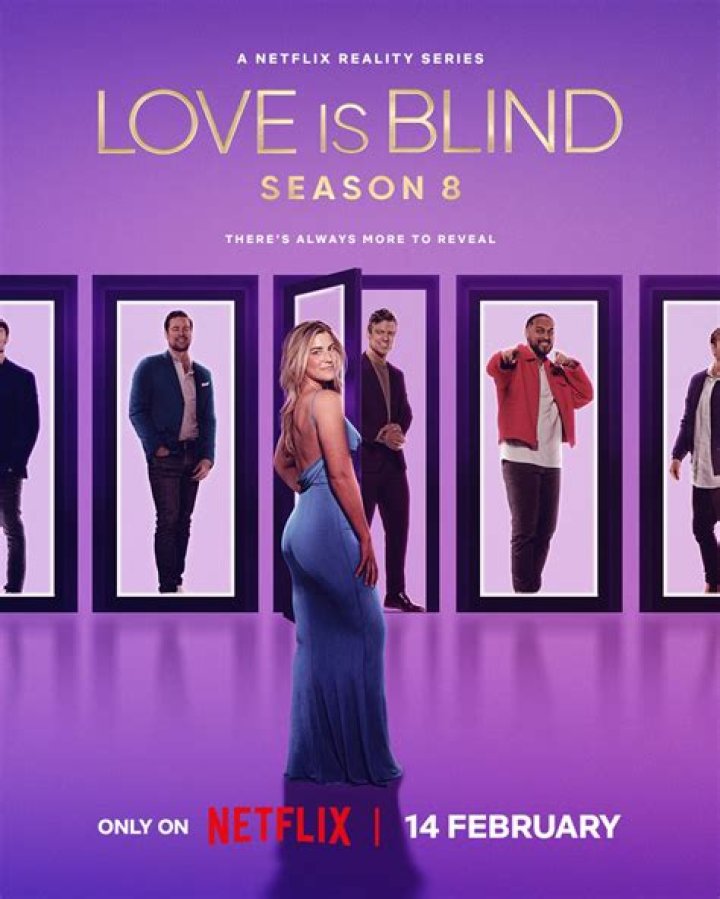
The popular Netflix reality show "Love Is Blind" has sparked discussions about the role of race in romantic relationships. The show's premise involves singles going on dates in isolated "pods," where they can only interact with each other through conversation, without seeing each other's physical appearance. While the show aimed to eliminate the influence of physical attraction, race still emerged as a factor influencing participants' decisions.
Intersectionality: Exploring the Overlap of Race and Other Identities
In the context of romantic relationships, race often intersects with other aspects of identity, such as gender, class, and religion. These intersecting identities can shape our experiences and influence our romantic choices. For example, a Black woman may face unique challenges and biases in dating due to the intersection of her race and gender.
Challenging Racial Biases: Fostering Inclusivity in Romantic Relationships
Recognizing and challenging racial biases is crucial for fostering inclusivity and equity in romantic relationships. This involves being aware of our own biases, engaging in self-reflection, and actively seeking out diverse romantic experiences. It also requires challenging societal norms that perpetuate racial stereotypes and limitations.
Conclusion: Embracing Love Beyond Boundaries
While race can influence our romantic experiences, it should not define or limit our capacity for love and connection. By acknowledging and addressing the role of race, we can create more inclusive and equitable romantic relationships. True love knows no boundaries, and it embraces the richness and diversity of human experiences.
FAQs on the Impact of Race in Romantic Relationships
This section addresses frequently asked questions regarding the role of race in romantic relationships, providing informative answers based on research and expert insights.
Question 1: Does race influence romantic attraction?
Research suggests that individuals often exhibit a preference for partners of their own race, known as racial endogamy. This preference can be attributed to factors such as shared cultural experiences, familiarity, and societal norms.
Question 2: How can we challenge racial biases in romantic relationships?
Challenging racial biases involves recognizing and addressing our own biases, engaging in self-reflection, and actively seeking out diverse romantic experiences. It also requires challenging societal norms that perpetuate racial stereotypes and limitations.
Summary: Understanding the role of race in romantic relationships is crucial for fostering inclusivity and equity. By acknowledging and addressing racial biases, we can create more meaningful and fulfilling connections that transcend racial boundaries.
Conclusion
In the realm of romantic relationships, the concept of "love is blind" often faces the challenge of racial biases. Research and real-world experiences demonstrate that race can influence our preferences and impact our romantic pursuits. However, it is crucial to recognize that race should not define or limit our capacity for love and connection.
By acknowledging and addressing the role of race, we can foster inclusivity and equity in romantic relationships. This involves challenging our own biases, engaging in self-reflection, and actively seeking out diverse romantic experiences. It also requires challenging societal norms that perpetuate racial stereotypes and limitations.
True love knows no boundaries, and it embraces the richness and diversity of human experiences. When we transcend racial barriers in romantic relationships, we create a more just and equitable society where love has the freedom to flourish without constraints.
The Ultimate Guide To Fruits Your Cat Can Safely Eat
Does Raven-Symon Have A Daughter? Discover The Truth
American Ketchup Vs Canadian Ketchup: A Tale Of Two Sauces
Are Izzy, Stacy Still Together From Love Is Blind Season 5? Where Are
A Psychologist on Why Love Is Blind's Izzy & Stacy Broke Up POPSUGAR