Is The Coconut A Fruit Or A Nut? Let's Crack It Open!
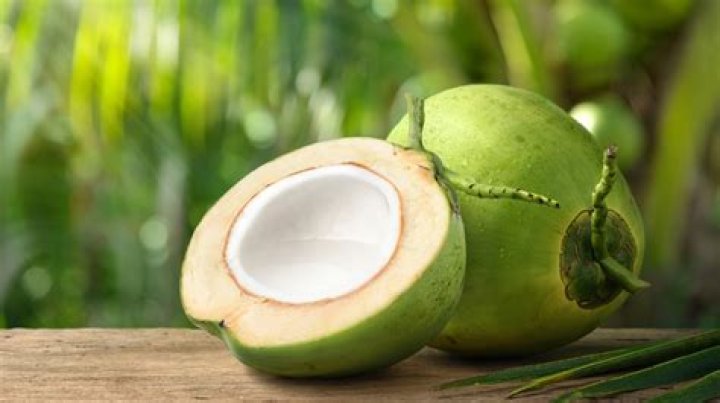
Are coconuts fruit or nuts? Despite their widespread consumption and culinary versatility, the botanical classification of coconuts remains a subject of debate. This article delves into the intriguing question of "are coconuts fruit or nuts," exploring the definitions, characteristics, and historical significance of these enigmatic edibles.
Coconuts, scientifically known as Cocos nucifera, are the fruit of the coconut palm tree. Botanically speaking, fruits are the mature ovaries of flowering plants that contain seeds. Coconuts fit this definition as they develop from the ovary of the coconut flower and enclose a single large seed, also known as the coconut meat. However, coconuts also possess characteristics that align with the definition of nuts, which are typically hard-shelled fruits with a single seed. The coconut's hard outer shell and its edible kernel, which is often referred to as a "nut" in culinary contexts, contribute to this classification.
The ambiguity surrounding the classification of coconuts stems from their unique combination of fruit and nut-like features. This has led to ongoing discussions among botanists and food scientists, with some arguing for their categorization as fruits and others advocating for their inclusion in the nut category. Despite the debate, coconuts continue to be enjoyed worldwide for their culinary versatility, nutritional value, and cultural significance.
Are Coconuts Fruit or Nuts
To fully understand the classification of coconuts, it is essential to examine the key distinctions between fruits and nuts. Fruits are derived from the mature ovary of flowering plants and typically contain seeds. They exhibit a wide range of forms, including fleshy, juicy fruits like berries and citrus fruits, as well as dry, fibrous fruits like nuts and grains. Nuts, on the other hand, are a specific type of fruit characterized by a hard outer shell and a single seed. The seed is often enclosed within a protective layer, such as the papery skin found in almonds or the hard shell of a walnut.
Exploring the Connection between Coconuts and Fruit
Coconuts share several defining characteristics with fruits. They develop from the ovary of the coconut flower, and the coconut meat represents the mature seed. Additionally, coconuts possess a soft, fleshy mesocarp, which is the layer of tissue surrounding the seed, and a hard endocarp, which forms the outer shell. These features align with the botanical definition of a fruit, supporting the classification of coconuts as such.
Examining the Nut-like Attributes of Coconuts
Despite their classification as fruits, coconuts also exhibit characteristics that resemble those of nuts. The hard outer shell, which is composed of a fibrous husk and a bony endocarp, provides protection for the coconut meat, similar to the shells of other nuts. Furthermore, the coconut meat is rich in nutrients, including healthy fats, proteins, and fiber, which is a common feature of many nuts. These nut-like attributes have contributed to the widespread perception of coconuts as nuts in culinary contexts.
Conclusion
The debate surrounding the classification of coconuts as either fruit or nuts highlights the intricate nature of botanical taxonomy. Coconuts possess a unique combination of characteristics that overlap with both fruit and nut definitions. This duality has led to ongoing discussions, with compelling arguments on both sides. Ultimately, the classification of coconuts as fruit or nuts depends on the specific context and perspective.
In the culinary world, coconuts are often grouped with nuts due to their hard shell and edible kernel, making them a versatile ingredient in both sweet and savory dishes. However, within the realm of botany, coconuts are scientifically classified as fruits, fulfilling the criteria of developing from the ovary of a flower and containing a seed. Embracing the dual nature of coconuts allows for a comprehensive understanding of these fascinating edibles, appreciating their unique botanical characteristics and culinary versatility.
FAQs on the Botanical Classification of Coconuts
This section addresses frequently asked questions regarding the botanical classification of coconuts, exploring common misconceptions and providing informative answers.
Question 1: Are coconuts scientifically classified as fruits or nuts?Answer: Botanically speaking, coconuts are classified as fruits. They develop from the ovary of the coconut flower and contain a single seed, which is the coconut meat. Despite their hard outer shell and culinary association with nuts, coconuts meet the scientific criteria for fruit classification.
Question 2: Why are coconuts often referred to as nuts in culinary contexts?Answer: The term "nut" is commonly used in culinary contexts to describe foods with a hard outer shell and an edible kernel. While coconuts do not fit the strict botanical definition of a nut, their hard shell and edible meat align with this culinary understanding. This dual classification reflects the versatility of coconuts and their usage in various culinary applications.
Summary: Coconuts occupy a unique position in the botanical world, possessing characteristics of both fruits and nuts. Their scientific classification as fruits aligns with their development from the ovary of a flower and the presence of a seed. However, their culinary association with nuts stems from their hard outer shell and edible kernel. Understanding this duality allows for a comprehensive appreciation of coconuts and their multifaceted nature.
Conclusion
The exploration of "are coconuts fruit or nuts" has illuminated the intriguing duality of these versatile edibles. Coconuts possess a unique combination of characteristics that overlap with both fruit and nut definitions, challenging conventional classifications. Botanically, coconuts are classified as fruits, fulfilling the criteria of developing from the ovary of a flower and containing a seed. However, their hard outer shell and edible kernel align with the culinary understanding of nuts, making them a versatile ingredient in both sweet and savory dishes.
Embracing the dual nature of coconuts allows for a comprehensive understanding of these fascinating edibles, appreciating their unique botanical characteristics and culinary versatility. Whether classified as a fruit or a nut, coconuts continue to captivate our taste buds and provide nourishment worldwide. As we delve deeper into the realm of plant taxonomy, we continue to uncover the intricate relationships and fascinating complexities that shape the natural world.
Who Is The Most Skilled Cardiothoracic Surgeon In The Grey's Anatomy Universe?
Cryaotic Allegations: A Comprehensive Examination Of The Claims
The Latest Desi Jr News And Updates | Breaking Desi Jr Stories
Is a Coconut a Fruit or a Nut? (with pictures)
6 Awesome Facts About Coconuts Fruitwerkz