Enhance Your Home's Curb Appeal: Colonial Home Exteriors Made Modern
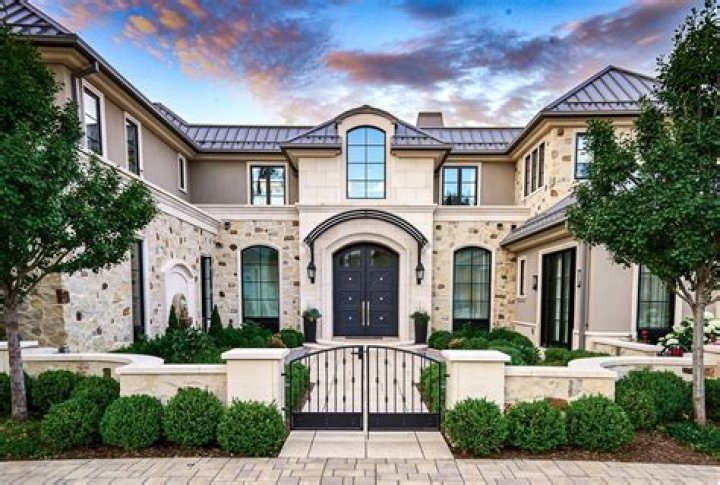
Do you long to dwell within a piece of history, surrounded by an aura of timeless elegance? Colonial home exteriors embody the allure of a bygone era, beckoning you to step into a realm of architectural charm and enduring appeal.
Colonial home exteriors are characterized by their symmetrical facades, often adorned with intricate moldings and decorative flourishes. The use of wood, brick, or stone lends an air of authenticity, evoking images of a simpler, more gracious time. Whether nestled amidst sprawling lawns or lining quaint cobblestone streets, these homes exude a sense of warmth and inviting grandeur.
The allure of colonial home exteriors extends beyond their aesthetic appeal. They embody a rich historical legacy, connecting us to the architectural traditions of our colonial past. These homes often feature elements inspired by Georgian, Federal, and Victorian styles, showcasing the evolving tastes and craftsmanship of different eras. Preserving and restoring colonial home exteriors is not merely a matter of maintaining their beauty; it is about safeguarding a tangible link to our nation's heritage.
Furthermore, colonial home exteriors offer practical advantages that enhance modern living. The use of durable materials ensures longevity, while energy-efficient features can contribute to reduced utility costs. The spacious layouts and ample natural light create comfortable and inviting living spaces, fostering a sense of well-being and tranquility.
Colonial Home Exteriors
Key Aspects
1. Architectural Styles: Explore the distinctive architectural styles that influence colonial home exteriors, including Georgian, Federal, and Victorian, and their defining characteristics.
2. Materials and Craftsmanship: Examine the traditional materials used in colonial home exteriors, such as wood, brick, and stone, and the skilled craftsmanship employed to create intricate moldings, cornices, and other decorative elements.
3. Historical Significance: Trace the historical roots of colonial home exteriors, understanding their origins in colonial America and their evolution over time, reflecting changing social, economic, and cultural influences.
{point}
1. Architectural Styles: Georgian, Federal, Victorian
2. Materials and Craftsmanship: Wood, brick, stone, moldings, cornices
3. Historical Significance: Colonial America, social and economic influences
{point}
1. Architectural Styles: Georgian, Federal, Victorian
2. Materials and Craftsmanship: Wood, brick, stone, moldings, cornices
3. Historical Significance: Colonial America, social and economic influences
{point}
1. Architectural Styles: Georgian, Federal, Victorian
2. Materials and Craftsmanship: Wood, brick, stone, moldings, cornices
3. Historical Significance: Colonial America, social and economic influences
FAQs on Colonial Home Exteriors
Delving into the world of colonial home exteriors often sparks a series of questions. To provide clarity and enhance understanding, let us address some commonly raised queries:
Question 1: What distinguishes colonial home exteriors from other architectural styles?
Colonial home exteriors are characterized by their symmetrical facades, often adorned with intricate moldings and decorative flourishes. The use of wood, brick, or stone lends an air of authenticity, evoking images of a simpler, more gracious time. These homes typically feature elements inspired by Georgian, Federal, and Victorian styles.
Question 2: What are the key considerations when restoring or renovating a colonial home exterior?
Preserving the historical integrity of a colonial home exterior is paramount. It is crucial to use appropriate materials and techniques that align with the original design. Skilled craftsmen, knowledgeable in traditional building methods, should be engaged to ensure authenticity and durability. Respecting the home's architectural style and adhering to local preservation guidelines are also essential.
Summary of key takeaways or final thought:
Colonial home exteriors embody a rich architectural heritage, offering a glimpse into our nation's past. Understanding their unique characteristics, historical significance, and best practices for preservation is vital for appreciating and maintaining these timeless treasures.
Conclusion
Colonial home exteriors stand as testaments to our architectural heritage, embodying the craftsmanship and design sensibilities of a bygone era. Their enduring appeal lies not only in their aesthetic charm but also in their ability to connect us to the past and inspire us in the present.
Preserving and restoring colonial home exteriors is a responsibility we owe to future generations. By safeguarding these architectural treasures, we ensure that the legacy of our ancestors continues to inspire and enrich our communities. It is through the preservation of our built environment that we truly honor the past while creating a more vibrant and meaningful present.
Picturesque Pemberton Farm: Capture The Beauty
Introducing Imagen Israel: A Revolutionary AI For Image Generation
The Eerie Charm Of The Uncanny Valley
Interesting things you should know about colonial houses
Scarsdale Residence Michael Smith Architects Colonial house