Discover The Enchanting Interiors Of Jerusalem Houses
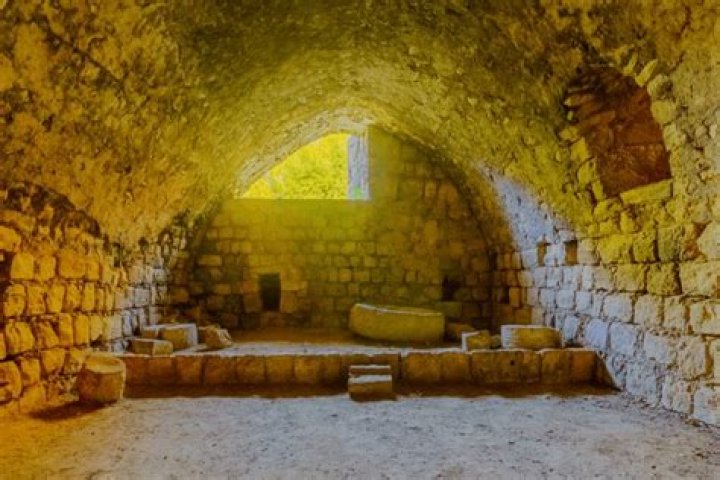
Jerusalem houses inside: The beating heart of the holy city
Jerusalem, a city of immense historical and religious significance, is home to a diverse array of architectural wonders. Among these, the houses within Jerusalem's walls stand out for their unique blend of history, culture, and architectural beauty.
The houses inside Jerusalem's walls are a testament to the city's rich and storied past. Many of these houses date back centuries, and their walls have witnessed countless events that have shaped the course of history. From the time of the ancient Israelites to the Roman Empire, from the Crusaders to the Ottoman Turks, Jerusalem's houses have been home to people of all faiths and backgrounds.
Today, the houses inside Jerusalem's walls continue to play a vital role in the city's life. They are home to families, businesses, and religious institutions. They are also a popular destination for tourists, who come from all over the world to experience the unique atmosphere of the Old City.
If you are planning a trip to Jerusalem, be sure to include a visit to the houses inside the city walls. These historic buildings offer a glimpse into the city's past and present, and they are a reminder of the enduring spirit of the people of Jerusalem.
Jerusalem houses inside
- History: The houses inside Jerusalem's walls date back centuries, and they have witnessed many of the city's most important events.
- Architecture: The houses inside Jerusalem's walls are a blend of different architectural styles, reflecting the city's diverse history.
- Culture: The houses inside Jerusalem's walls are home to people of all faiths and backgrounds, and they reflect the city's vibrant cultural diversity.
- Tourism: The houses inside Jerusalem's walls are a popular destination for tourists, who come from all over the world to experience the unique atmosphere of the Old City.
History
The history of the houses inside Jerusalem's walls is closely intertwined with the history of the city itself. The first houses were built on the site of the ancient city of Jebus, which was conquered by King David in the 10th century BC. Over the centuries, the city was conquered by many different empires, including the Babylonians, the Persians, the Greeks, and the Romans. Each empire left its mark on the city, and the houses inside the walls reflect this diverse history.
Architecture
The houses inside Jerusalem's walls are a blend of different architectural styles. The oldest houses are built in the traditional Arab style, with thick stone walls and arched windows. Later houses were built in the European style, with more elaborate facades and balconies. Still other houses are a mix of both styles, reflecting the city's diverse cultural heritage.
Culture
The houses inside Jerusalem's walls are home to people of all faiths and backgrounds. Muslims, Christians, Jews, and Armenians all live side by side in the Old City, and their different cultures are reflected in the architecture and atmosphere of the houses.
Tourism
The houses inside Jerusalem's walls are a popular destination for tourists. Visitors come from all over the world to experience the unique atmosphere of the Old City. They can visit the ancient churches, mosques, and synagogues, or simply wander through the narrow streets and soak up the city's rich history.
Jerusalem houses inside
This section provides answers to some of the most frequently asked questions about the houses inside Jerusalem's walls.
Question 1: What is the history of the houses inside Jerusalem's walls?
The houses inside Jerusalem's walls date back centuries, to the time of the ancient Israelites. Over the centuries, the city was conquered by many different empires, including the Babylonians, the Persians, the Greeks, and the Romans. Each empire left its mark on the city, and the houses inside the walls reflect this diverse history.
Question 2: What is the architecture of the houses inside Jerusalem's walls like?
The houses inside Jerusalem's walls are a blend of different architectural styles. The oldest houses are built in the traditional Arab style, with thick stone walls and arched windows. Later houses were built in the European style, with more elaborate facades and balconies. Still other houses are a mix of both styles, reflecting the city's diverse cultural heritage.
Question 3: Who lives in the houses inside Jerusalem's walls?
The houses inside Jerusalem's walls are home to people of all faiths and backgrounds. Muslims, Christians, Jews, and Armenians all live side by side in the Old City, and their different cultures are reflected in the architecture and atmosphere of the houses.
Question 4: Are the houses inside Jerusalem's walls open to tourists?
Yes, the houses inside Jerusalem's walls are open to tourists. Visitors can visit the ancient churches, mosques, and synagogues, or simply wander through the narrow streets and soak up the city's rich history.
Question 5: What are some of the challenges facing the houses inside Jerusalem's walls?
The houses inside Jerusalem's walls face a number of challenges, including the ongoing conflict between Israelis and Palestinians, the lack of affordable housing, and the need for preservation and restoration. However, despite these challenges, the houses inside Jerusalem's walls remain a vibrant and important part of the city.
Summary: The houses inside Jerusalem's walls are a unique and important part of the city. They are a testament to the city's rich history and diverse culture. Despite the challenges they face, the houses inside Jerusalem's walls continue to be a vibrant and important part of the city.
Conclusion
The houses inside Jerusalem's walls are a unique and important part of the city. They are a testament to the city's rich history and diverse culture. Despite the challenges they face, the houses inside Jerusalem's walls continue to be a vibrant and important part of the city.
The houses inside Jerusalem's walls are a reminder of the city's enduring spirit. They have witnessed centuries of conflict and change, but they have never lost their beauty or their significance. They are a symbol of hope and resilience, and they continue to inspire people from all over the world.
Stunning Calendar Design: August 2017 Edition
Stunning Modeling Shots: Capture The Essence Of Beauty
Unveil The Power Of Fangs: The Ultimate Guide To Emoji With Fangs
Pin on In Miniature
Jerusalem's secret charms to come out into open during Houses from