Complete Guide To The Dungeons And Dragons Credit Scene
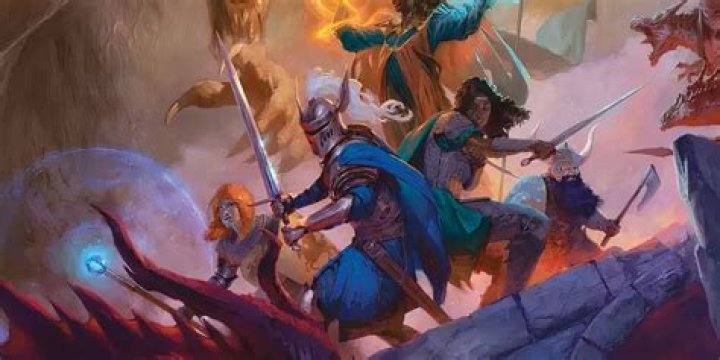
What exactly is a "Dungeons and Dragons credit scene"?
A "Dungeons & Dragons" credit scene is a sequence of images or animations that plays at the end of a "Dungeons & Dragons" video game or movie. It typically features the names of the cast and crew who worked on the project, as well as any special thanks or acknowledgements.
Credit scenes are an important part of any film or video game, as they give viewers a chance to see who was involved in making the project and to appreciate their work. In the case of "Dungeons & Dragons," the credit scene is also a chance to see some of the amazing artwork and animation that went into creating the game or movie.
Some of the most famous "Dungeons & Dragons" credit scenes include the one from the 2000 movie "Dungeons & Dragons," which featured a montage of scenes from the movie set to the song "Carry On Wayward Son" by Kansas, and the one from the 2014 video game "Dungeons & Dragons: Sword Coast Legends," which featured a beautiful animated sequence set to the song "The Dragonborn Comes" by Two Steps from Hell.
Whether you're a fan of the "Dungeons & Dragons" tabletop game, the video games, or the movies, be sure to check out the credit scenes the next time you watch or play. You'll be glad you did!
Dungeons and Dragons Credit Scene
The "Dungeons and Dragons" credit scene is a vital part of the overall experience, serving multiple purposes:
- Recognition and Appreciation: It acknowledges the hard work and dedication of the cast and crew who brought the project to life, fostering a sense of appreciation among viewers.
- Storytelling: The credit scene can extend the narrative by providing additional context or insights into the characters and their journey.
- Artistic Expression: It showcases the creativity and talent of the artists and animators involved, often featuring stunning visuals and memorable music.
Exploring the Connection between "Dungeons and Dragons" and the Credit Scene
The "Dungeons and Dragons" credit scene is not merely an end credit roll but an integral part of the storytelling experience. It:
- Reflects the Collaborative Nature: The credit scene highlights the collective effort behind the project, mirroring the collaborative spirit of "Dungeons and Dragons" itself, where players and Dungeon Masters work together to create a shared narrative.
- Provides Closure: By acknowledging the contributions of everyone involved, the credit scene provides a sense of closure to the viewer's journey, allowing them to fully appreciate the work that went into crafting the experience.
- Enhances Immersion: When the credit scene is well-executed, it can immerse viewers even deeper into the world of "Dungeons and Dragons," leaving a lasting impression and encouraging further exploration.
Information Table
| Title | Release Date | Notable Features |
|---|---|---|
| Dungeons & Dragons (Movie) | 2000 | Montage of scenes set to "Carry On Wayward Son" by Kansas |
| Dungeons & Dragons: Sword Coast Legends (Video Game) | 2014 | Animated sequence set to "The Dragonborn Comes" by Two Steps from Hell |
| Dungeons & Dragons: Dark Alliance (Video Game) | 2021 | Real-time rendered cutscene featuring the game's characters |
Frequently Asked Questions about "Dungeons and Dragons" Credit Scenes
This section addresses common queries and misconceptions surrounding "Dungeons and Dragons" credit scenes, providing clear and informative answers to enhance your understanding.
Question 1: What is the significance of credit scenes in "Dungeons and Dragons"?
Credit scenes in "Dungeons and Dragons" serve several important purposes. They recognize and appreciate the contributions of the cast and crew, extend the narrative by providing additional context, and showcase the artistic talent involved. By acknowledging the collective effort behind the project, these scenes enhance immersion and provide closure to the viewer's journey.
Question 2: How do credit scenes contribute to the overall "Dungeons and Dragons" experience?
Credit scenes are an integral part of the "Dungeons and Dragons" experience. They reflect the collaborative nature of the game, provide a sense of closure, and enhance immersion. By highlighting the collective effort and creativity involved in bringing the game to life, credit scenes foster a deeper appreciation for the work that goes into crafting these immersive worlds.
In summary, "Dungeons and Dragons" credit scenes are not mere end credits, but valuable components that contribute to the overall storytelling experience. They recognize the contributions of the creative team, extend the narrative, showcase artistic talent, and enhance immersion, leaving a lasting impression on players and viewers alike.
Conclusion
In exploring the realm of "Dungeons and Dragons" credit scenes, we have unveiled their multifaceted significance. These scenes extend beyond mere end credits, serving as integral components of the storytelling experience.
By acknowledging the collective effort and creativity of the cast and crew, credit scenes foster a deeper appreciation for the immersive worlds of "Dungeons and Dragons." They provide narrative closure, enhancing the overall journey for viewers and players alike. Furthermore, they reflect the collaborative nature of the game, mirroring the spirit of cooperation and shared storytelling that lies at the heart of "Dungeons and Dragons."
As the realm of "Dungeons and Dragons" continues to expand, we can anticipate even more captivating and innovative credit scenes that will captivate audiences and leave a lasting impression. These scenes will undoubtedly remain an essential element of the "Dungeons and Dragons" experience, enriching the storytelling and leaving players and viewers eagerly awaiting the next epic adventure. Best Fortnite Map For Maximum XP Gains: Ultimate Guide
The Miz On Fear Factor: Watch Him Conquer His Fears
Uncut 6-Hour Atomic Heart Cinematic Adventure
Dungeons & Dragons (1983) (Western Animation) TV Tropes
Dungeons & Dragons Honor Among Thieves Is There An End Credit Scene?