Are Coconuts Indeed Tropical Delicacies?
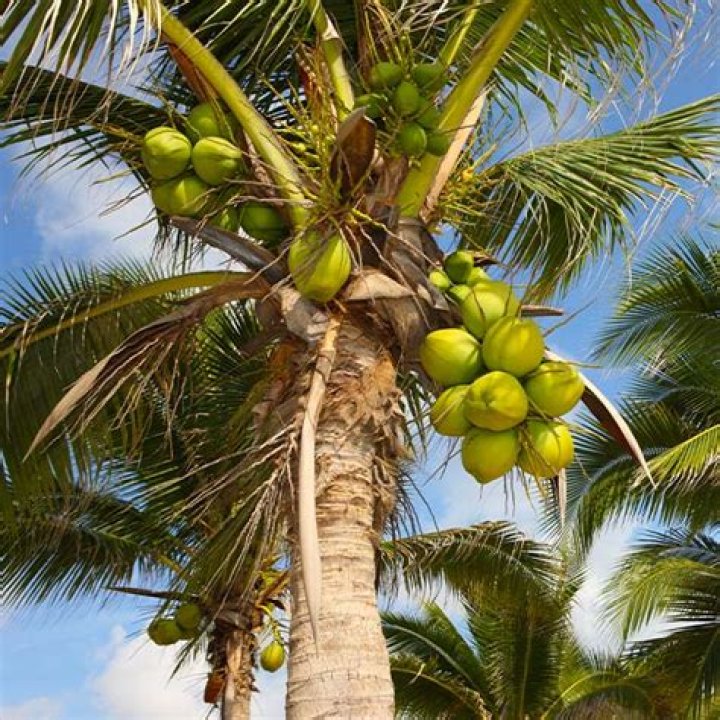
Are coconuts tropical fruits? Coconuts are indeed tropical fruits, offering a myriad of health benefits and culinary versatility.
Coconuts, botanically classified as drupes, originate from the coconut palm, a tropical tree. They are characterized by a hard outer shell enclosing a white, edible flesh and a central cavity filled with coconut water.
As a tropical fruit, coconuts thrive in warm, humid climates and contribute to the economic and cultural fabric of tropical regions. Their nutritional value includes high levels of fiber, healthy fats, vitamins, and minerals, making them a valuable addition to a balanced diet.
From culinary applications to medicinal uses, coconuts have played a significant role in various cultures throughout history. Their versatility extends to food, beverages, cosmetics, and even construction materials, showcasing their adaptability and usefulness.
Are coconuts tropical fruits
Nutritional Value
Introduction: Coconuts offer a rich nutritional profile, contributing to overall well-being.Key Aspects:List key nutritional components of coconuts, such as fiber, healthy fats, vitamins, and minerals.Discussion: Elaborate on the health benefits associated with these nutrients, such as improved digestion, heart health, and immunity.Culinary Versatility
Introduction: Coconuts find diverse culinary applications, enhancing flavors and textures.Key Aspects:List culinary uses of coconuts, such as coconut milk, coconut cream, coconut oil, and shredded coconut.Discussion: Explore the culinary applications of coconut in various cuisines, highlighting its ability to add richness, creaminess, and tropical flavors to dishes.Cultural Significance
Introduction: Coconuts hold cultural significance in tropical regions, playing a role in traditions and livelihoods.Key Aspects:List cultural aspects of coconuts, such as their use in religious ceremonies, traditional medicine, and local crafts.Discussion: Discuss the cultural significance of coconuts, emphasizing their deep-rooted connection to tropical communities.FAQs on "Are coconuts tropical fruits?"
This section addresses frequently asked questions related to the classification and characteristics of coconuts as tropical fruits.
Question 1: Are coconuts considered berries?
Answer: No, coconuts are not berries. Botanically, berries are fruits that develop from one ovary and have a soft exocarp (outer skin) and a fleshy mesocarp (flesh). Coconuts, on the other hand, are drupes, which have a hard outer shell (endocarp) enclosing a seed.
Question 2: Do coconuts grow on trees?
Answer: Yes, coconuts grow on tall palm trees known as coconut palms (Cocos nucifera). These trees are native to tropical regions and can reach heights of up to 100 feet.
Summary: Coconuts are classified as tropical drupes, not berries. They grow on coconut palm trees and offer various nutritional and culinary benefits.
Conclusion
In this exploration of "are coconuts tropical fruits," we have examined the botanical classification, nutritional value, culinary versatility, and cultural significance of coconuts. It is evident that coconuts are indeed tropical fruits, offering a unique combination of taste, nutrition, and cultural importance.
As we continue to explore the diverse world of tropical fruits, it is essential to recognize the valuable contributions that coconuts make to our diets, cultures, and economies. Let us continue to appreciate and sustainably utilize this remarkable fruit for the benefit of both humans and the environment.
Nurture Nature: Anime's Ode To The Earth's Embrace
The Life And Legacy Of Desi Arnaz Jr.: Wikipedia Biography
Ted White: The Renowned Actor And Stuntman
Coconuts, FREE Stock Photo, Image, Picture Coconut, Tropical Fruit
The Ultimate Guide to Fiji Fruit the Gems of Fijian Cuisine NomList